
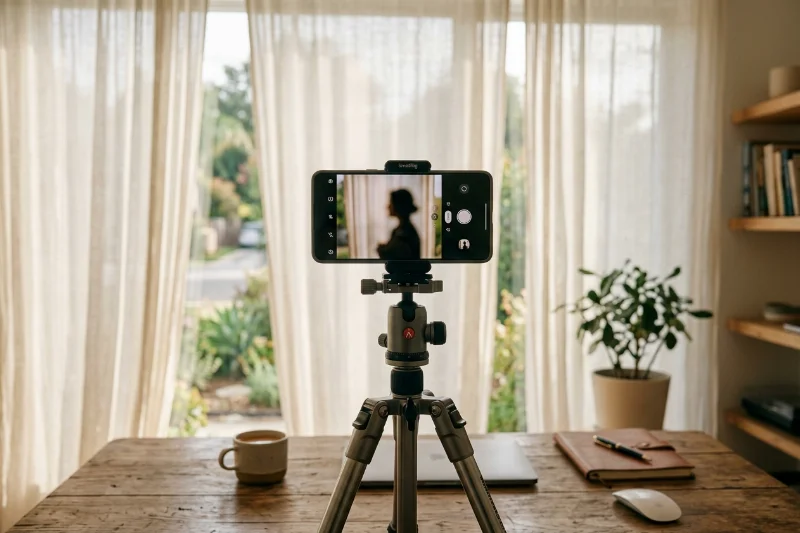
Smartphones have revolutionized the way we capture visual art, making high-quality videography more accessible than ever before. When exploring the delicate and expressive medium of nude videography, your phone serves as a powerful, discreet tool capable of capturing stunning details and fluid movements. The key to success lies in moving beyond basic point-and-click habits and adopting professional techniques tailored for the mobile lens to elevate your work from simple recordings to cinematic art.
Prioritizing Natural and Soft Lighting
Lighting is arguably the most critical element in nude videography, as it defines the contours and textures of the human body. Harsh, direct light often creates unflattering shadows and can blow out skin tones, whereas soft, diffused light creates a gentle transition between highlights and shadows. Utilizing large windows during the golden hour or using sheer curtains to filter midday sun can transform a simple room into a professional-grade set that emphasizes the natural beauty of the form.
Sculpting the Form with Shadows
Instead of aiming for perfectly flat lighting, use shadows to add depth and dimension to your subject. Side-lighting is particularly effective in nude videography because it emphasizes the physical architecture of the body. By positioning the light source at a forty-five-degree angle, you can highlight the curves of the muscles and skin, creating a more cinematic and three-dimensional feel that draws the viewer’s eye to the artistry of the movement and the interplay of light.
Mastering Composition and Framing
Effective composition is what separates a casual clip from a piece of visual art. When filming with a smartphone, it is vital to consider how the body interacts with the negative space around it. Experiment with different angles, such as low-angle shots to convey strength or high-angle shots for a sense of vulnerability. Remember that the human form is a landscape of its own, and focusing on specific details like the curve of a back or the grace of a hand can be incredibly impactful and evocative.
The Rule of Thirds in Motion
To create a more dynamic and balanced video, apply the rule of thirds by enabling the grid feature on your smartphone camera. Instead of centering the subject, place the most interesting elements along the grid lines or at their intersections. This technique encourages the viewer’s eye to travel across the frame and makes the movement feel more intentional and professionally produced, especially during slow-motion sequences where the timing of the movement is as important as the placement.
Optimizing Technical Smartphone Settings
To achieve a professional look, you must take manual control over your smartphone’s camera settings. Most modern phones allow you to lock the focus and exposure by long-pressing on the screen. This prevents the camera from searching for focus or changing brightness levels mid-shot, which can be distracting and amateurish. Additionally, shooting in 4K resolution at 24 or 30 frames per second provides a cinematic texture that mirrors traditional film and allows for better cropping in post-production.
Avoiding Exposure Shifts
Automatic exposure can be problematic when filming skin tones against varying backgrounds. To maintain consistency, manually adjust the exposure slider until the skin looks natural and the highlights are not clipping. If your phone’s native app is too limited, consider using professional third-party apps that offer granular control over shutter speed and ISO, allowing you to maintain a consistent aesthetic throughout your entire session without the jarring transitions caused by auto-adjustments.
Creating a Controlled Environment
The background of your video should complement, not distract from, the subject. A cluttered environment can pull attention away from the artistic focus of the shoot. Opt for neutral tones, simple textures, or minimalist decor that enhances the mood you are trying to create. Ensure the space is comfortable and private, as the comfort level of the person on camera—whether it is yourself or a model—is directly reflected in the fluidity and grace of the final footage captured by the lens.
Ethics and Digital Security
In the realm of nude videography, safety and consent are paramount. Always ensure that every party involved has provided clear, enthusiastic consent before filming begins. Furthermore, be mindful of digital security; smartphones are often connected to cloud services that may automatically sync your videos. Use encrypted storage, turn off auto-syncing for sensitive folders, and consider using a dedicated offline device to ensure your artistic work remains private and secure from unauthorized access.