
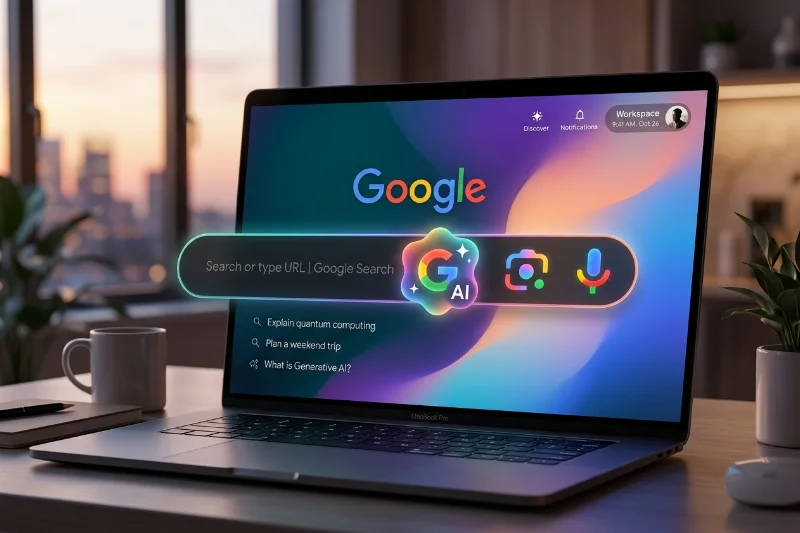
For over a quarter of a century, the Google search box has remained the most recognizable piece of digital real estate on the planet. Its minimalist design—a simple white rectangle—has served as the gateway to the world’s information for billions of users. However, in a significant shift that reflects the modern era of computing, Google is rolling out substantial updates to this iconic element, marking its biggest visual and functional evolution in twenty-five years.
The Evolution of Digital Simplicity
The traditional search bar is no longer just a place to type keywords; it has evolved into a multi-functional command center. By refining the border radius and shadow effects, Google is aligning the search box with its “Material You” design philosophy. This isn’t just about aesthetics; it’s about making the interface feel more intuitive and responsive to touch-based interactions on mobile devices, where the majority of searches now occur.
A New Visual Language for Discovery
One of the most noticeable changes is the integration of more vibrant icons and shortcuts directly within the search bar. Instead of a sterile text field, users are now greeted with quick-action buttons for Google Lens and Voice Search. This visual language encourages users to interact with the web in ways that go beyond text, reflecting a broader trend toward visual and auditory information retrieval that the company has been perfecting for years.
Beyond the surface-level changes, the search box is becoming a portal for generative AI. With the rollout of Search Generative Experience (SGE), the box now serves as the starting point for complex, conversational queries. Instead of just returning a list of links, the updated search interface prepares the user for a dialogue with an AI assistant, shifting the paradigm from simple information retrieval to comprehensive problem-solving.
Multi-Modal Search Capabilities and Integration
The update also emphasizes multi-modality, ensuring that the transition between typing, speaking, and snapping a photo is seamless. This integration suggests that Google views the search box not as a destination, but as a flexible tool that adapts to the user’s environment. Whether you are identifying a plant in your garden or humming a tune you can’t remember, the redesigned entry point is built to handle diverse input types with unprecedented speed.
Personalization and Predictive Context
Furthermore, the updated search box is smarter about context. It now leverages more sophisticated machine learning models to provide “zero-query” suggestions—content that appears before you even start typing. By analyzing recent activity and trending topics, Google aims to reduce the friction between a user having a thought and finding the answer, effectively predicting intent before the first keystroke is ever made.
In conclusion, the transformation of the Google search box marks the end of an era and the beginning of a new chapter in digital exploration. As AI continues to redefine our expectations, this design update ensures that Google remains at the center of our digital lives. For SEO professionals and casual users alike, these changes signal a future where the search bar is more than just a tool—it is an intelligent partner in our quest for knowledge.