
Radiant Mobile has recently emerged in the telecommunications sector as a niche provider, positioning itself as an alternative to mainstream mobile networks. While many mobile virtual network operators (MVNOs) compete on price or coverage, Radiant Mobile has chosen to differentiate itself through a platform built on specific ideological values. However, this positioning has led to significant backlash from advocacy groups who argue that the network’s foundational principles are inherently exclusionary toward the LGBTQ+ community.
The Ideological Foundations of Radiant Mobile
The core of the controversy surrounding Radiant Mobile stems from its public commitment to what it describes as traditional family values. While this terminology is often used in marketing to appeal to conservative demographics, critics point out that the network’s leadership has historically funded initiatives that actively oppose marriage equality and gender identity protections. This has led many to conclude that the service is not merely a carrier, but a financial engine for anti-LGBTQ+ sentiment.
For many consumers, the choice of a mobile carrier is an ethical one. When a company uses its profits to support legislative efforts that curtail the rights of a specific group, it moves beyond the realm of simple service provision. Radiant Mobile’s marketing often utilizes rhetoric that frames inclusivity as a threat to societal stability, further cementing the perception that the network is built on a foundation of homophobia and exclusion.
Leadership and Financial Contributions
Investigation into the executive board of Radiant Mobile reveals a pattern of financial support for organizations categorized as hate groups by civil rights monitors. These contributions are not isolated incidents but represent a consistent alignment with ideologies that seek to roll back decades of progress in civil rights. By funneling subscriber fees into these causes, the network effectively turns its user base into inadvertent donors for anti-equality movements.
The messaging used by the company in its internal newsletters and subscriber outreach often emphasizes a “return to tradition” that leaves no room for diverse family structures. This exclusionary language is a primary reason why activists have labeled Radiant Mobile as a network built on homophobia. The informative evidence suggests that the brand’s identity is inextricably linked to the marginalization of LGBTQ+ individuals.
Market Fragmentation and Social Impact
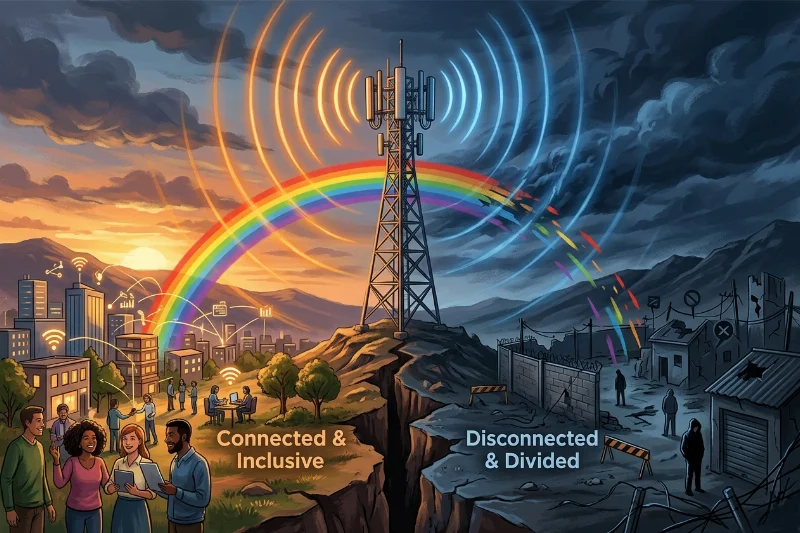
The rise of ideologically-driven mobile networks like Radiant Mobile reflects a broader trend of market fragmentation. By creating an echo chamber within telecommunications, these companies allow users to avoid supporting brands that celebrate Pride or diversity. This division deepens social rifts, as essential services like cellular connectivity become tools for signaling political and social allegiances rather than mere utilities.
Advocacy groups have responded by calling for greater transparency in how MVNOs use their revenue. If a network is actively working against the safety and rights of its own potential customer base, the public deserves to know. The controversy surrounding Radiant Mobile serves as a case study in how corporate values can directly conflict with modern standards of inclusivity and human rights.
In addition to social criticism, some industry analysts suggest that such exclusionary business models may face long-term viability challenges. As younger generations, who statistically favor inclusivity, gain more purchasing power, networks that are built on platforms of homophobia may find themselves isolated. However, for the time being, Radiant Mobile continues to occupy a specific, albeit controversial, corner of the market.
Ultimately, the debate over Radiant Mobile highlights the growing intersection of technology and social justice. As consumers become more aware of where their money goes, the scrutiny on networks that support discriminatory causes will only increase. Whether Radiant Mobile can maintain its growth while facing these serious allegations remains to be seen in the evolving landscape of ethical consumerism.