
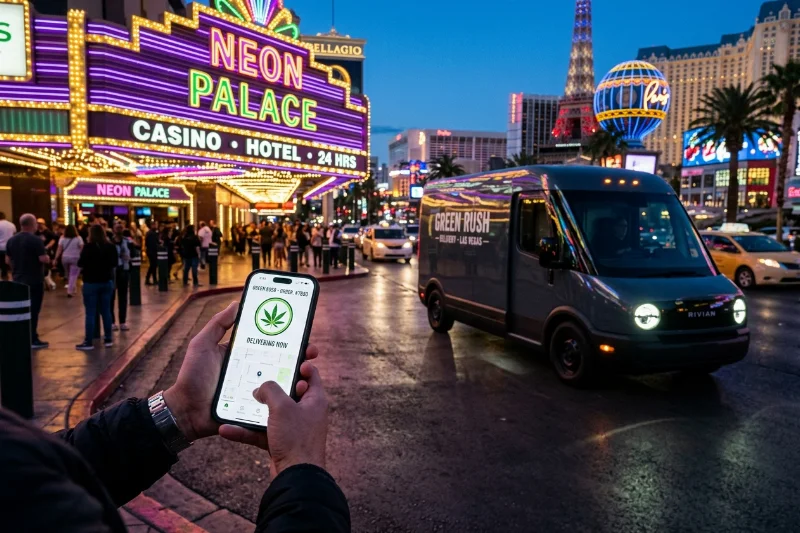
A recent industry panel in Las Vegas has sparked significant discussion regarding the potential for cannabis delivery services to be permitted at casino resorts. While Nevada legalized recreational marijuana years ago, the intersection of gaming and cannabis remains a complex legal grey area due to federal regulations. Stakeholders are now advocating for a more streamlined approach that would allow tourists and residents alike to have legal products delivered directly to their accommodations on the Strip, bridging a gap in the current consumer experience.
Understanding the Current Regulatory Barriers
Currently, Nevada’s gaming licensees are strictly prohibited from allowing any cannabis-related activities on their properties because they must comply with federal law to maintain their gaming licenses. This creates a friction point for tourists who may legally purchase cannabis in the state but find it difficult to transport or consume it legally while staying at major resorts. The panel suggested that establishing clear delivery protocols could alleviate some of these jurisdictional tensions without compromising the integrity of the casino’s gaming operations.
The Consumer Experience and Safety Benefits
Advocates argue that allowing licensed delivery services to reach casino properties would significantly improve public safety and the overall tourist experience. By providing a legal and tracked channel for delivery, the city could reduce the prevalence of illegal street sales and ensure that consumers receive lab-tested, regulated products. Furthermore, it offers a level of convenience that modern travelers expect, potentially increasing the total tax revenue generated from the cannabis sector through increased accessibility for those without personal transportation.
Economic Impact and Long-Term Market Growth
The economic implications of this shift are substantial, as the integration of delivery services could tap into a massive market of visitors who are currently underserved. Panelists emphasized that as other states move toward legalization, Las Vegas must remain competitive by refining its local laws to match consumer demand. Expansion into the casino market via delivery could provide a necessary boost to local dispensaries that face high overhead costs and stiff competition within the city’s saturated retail landscape.
Ultimately, the move to encourage cannabis delivery to Las Vegas casinos represents a pragmatic step toward modernizing Nevada’s approach to the industry. While the federal prohibition still looms over the gaming sector, incremental changes at the state level can provide a framework for safe, legal, and profitable interactions. As the dialogue continues between regulators, casino operators, and cannabis entrepreneurs, the focus remains on finding a balanced path forward that respects both the law and the evolving cultural acceptance of marijuana.