
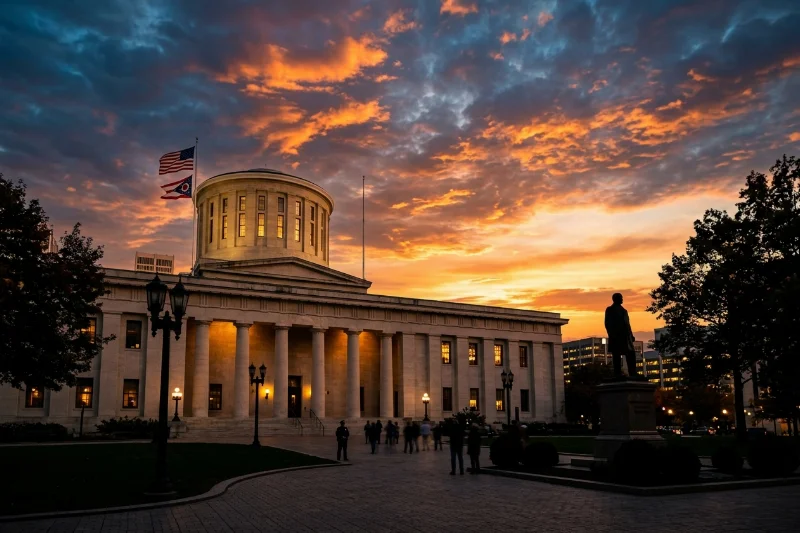
Ohio House Bill 249 has emerged as a significant piece of legislation aimed at regulating the locations and audiences for performances deemed sexually explicit. Introduced in the Ohio General Assembly, the bill proposes strict guidelines that would effectively limit such entertainment to adult-only venues, specifically those restricted to individuals aged 21 and older. This legislative move follows a growing national trend of state-level efforts to define the boundaries of public entertainment and protect minors from content classified as adult-oriented.
Understanding the Scope of HB 249
The primary focus of HB 249 is to create a legal distinction between general public spaces and venues permitted to host adult-themed content. Under the proposed language, any performance that includes specified sexual activities or displays would be prohibited in locations where minors are likely to be present. This includes not only public parks and government-owned properties but also private businesses that do not strictly enforce an age limit of 21 or older for all patrons during the time of the performance.
Defining Adult-Oriented Performances
A critical component of the bill is its definition of what constitutes an “adult-oriented performance.” The legislation utilizes criteria centered on the concept of content being “harmful to juveniles,” a standard that includes nudity or semi-nudity, sexual conduct, and performances that appeal to the prurient interest of minors. While the bill’s proponents argue these definitions are necessary for clarity, critics have expressed concern that the language could be applied broadly, potentially impacting a wide variety of theatrical and artistic expressions.
Impact on Local Businesses and Venue Owners
If passed, HB 249 would place a significant compliance burden on Ohio business owners. Establishments that currently host diverse entertainment lineups, such as bars, theaters, and community centers, would need to implement rigorous age-verification protocols to ensure they do not run afoul of the new regulations. Failure to restrict these performances to an adult-only audience could lead to administrative consequences, including the potential loss of liquor licenses or other operating permits essential to the business’s survival.
Enforcement and Legal Penalties
The bill outlines specific penalties for individuals and entities that violate these restrictions. Beyond administrative sanctions, organizers of performances that violate the venue restrictions could face criminal charges, typically classified as misdemeanors. The legislation seeks to empower local law enforcement and prosecutors to monitor public events and investigate complaints regarding unauthorized adult performances in spaces accessible to children, creating a new layer of oversight for the local entertainment industry.
Constitutional and Legal Considerations
Legal experts have pointed out that HB 249 may face challenges based on the First Amendment. Similar bills in other states have been met with litigation, with courts often weighing the state’s interest in protecting children against the right to free expression. Opponents of the bill argue that it could lead to self-censorship among artists and venue owners who fear legal repercussions, potentially chilling the vibrant cultural landscape of Ohio’s urban centers and suburban communities alike.
The public debate surrounding the bill has been polarized. Supporters emphasize the role of the state in maintaining public decency standards and ensuring that parents have the final say over the content their children encounter in public spaces. Conversely, advocacy groups and members of the LGBTQ+ community have voiced concerns that the bill specifically targets drag performances and other forms of inclusive entertainment, arguing that existing laws are already sufficient to handle matters of public indecency.
As House Bill 249 moves through the committee process, its future remains a focal point for Ohio’s legislative session. Lawmakers will continue to hear testimony from various stakeholders, including constitutional lawyers, business owners, and parental rights advocates. The outcome of this bill will not only shape the future of adult entertainment in Ohio but also set a precedent for how the state balances community standards with individual liberties in the modern era.